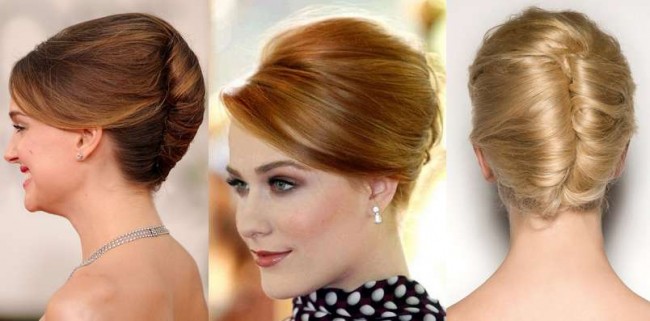
Most women want to look beautiful than other, and that is why hairstyle salons are coming up with new techniques to attract customers in this line of industry. The most common hairstyle is the “updo.” This involves their hair being arranged instead of letting it fall free and is usually very simple. This style is done only on special occasions i.e. weddings, prom because they are more elegant and women of all ages can wear it. This article will list down and explain the different types of Updo’s Styles.
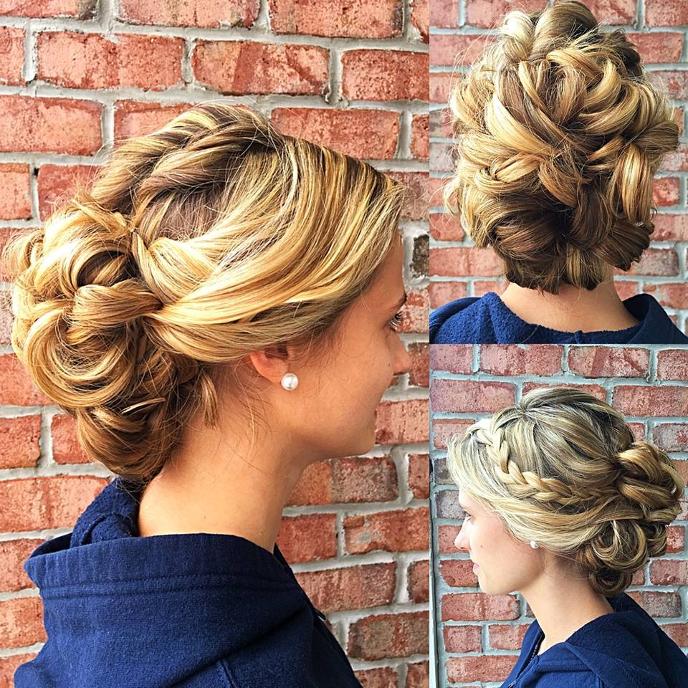
Types of Updo’s
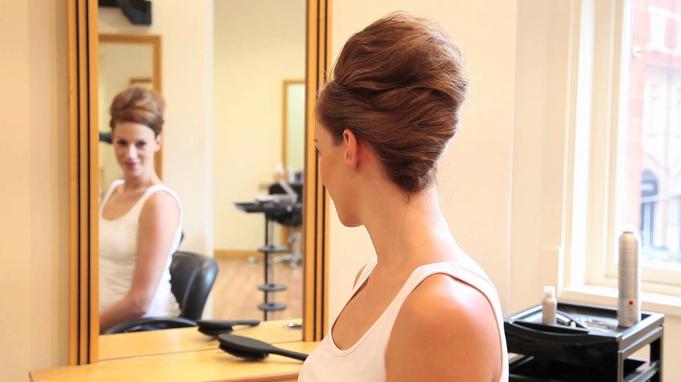
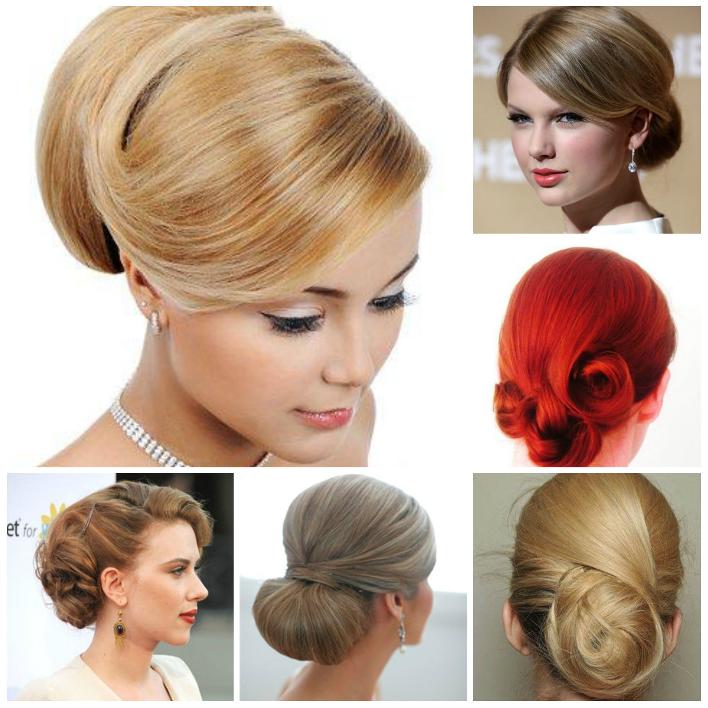
Beehive
The beehive was created by Margaret Vinci Heldt, owner of the Margaret Vinci Coiffures, in 1960. She did this when she was told to develop a new hairstyle that will change the history of hairstyles. This style is whereby long hair is piled up in a conical shape on the head and slightly pointing backward which tries to resemble the shape of a beehive (traditional).
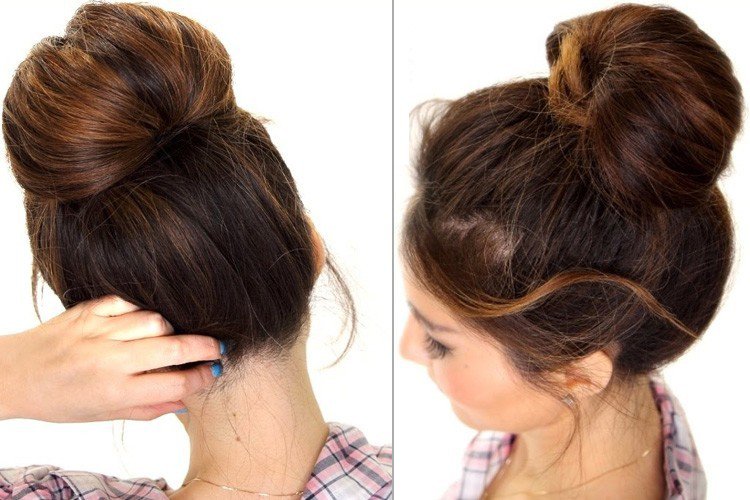
Bun
The bun is a type of coiffure wherein the hair is pulled backward from the face, twisted or plaited, and wrapped in around coil round itself, usually at the back of the head or neck. It can easily be secured with bobby pins, a barrette, a hair stick, etc. Buns may be tightly amassed, or loose and extra casual.
Chignon
This is done by pinning the hair into a knot on the nape of the neck or at the back of your head. However, there are many unique versions of this style. They’re typically secured with accessories like hairpins. Women often wear this for special activities, like weddings but the simple chignon is also worn for everyday informal wear.
Ponytail
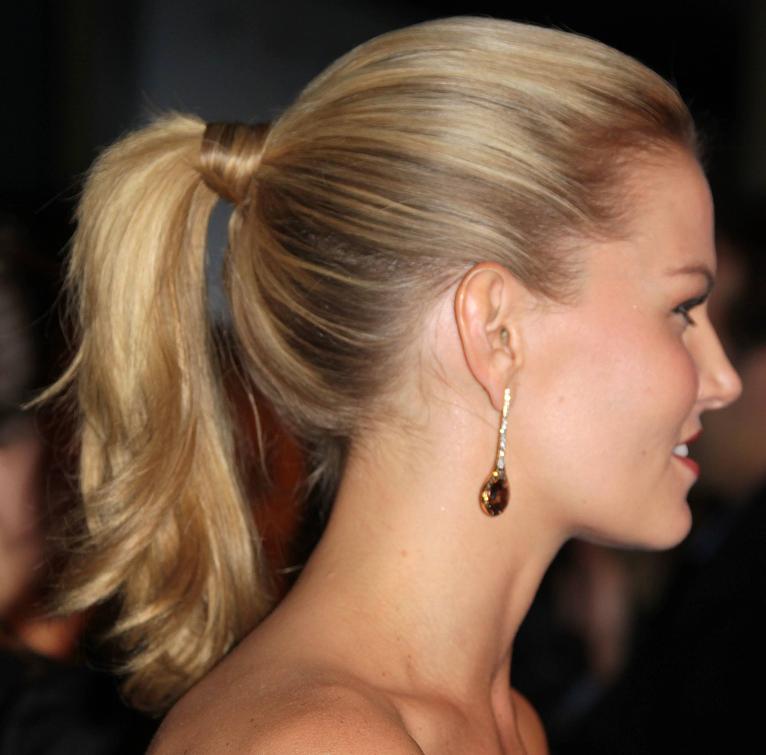
For this to be successful, a few, most or all the hair on the top is pulled away from the face, accumulated and secured in the back of the pinnacle with a hair tie, clip, or different comparable device and allowed to dangle freely from that factor. It receives its name from its resemblance to the undocked tail of a horse or pony. Maximum Ponytails are collected at the center of the lower back of the top or the base of the neck.
French Twist
This can be created by gathering the hair in one hand and twisting the hair upwards until it turns in on itself in opposition to the head. It’s then secured with barrettes, combs, hair sticks or hairpins. French twists are commonly worn to proms and weddings.